September 24, 2026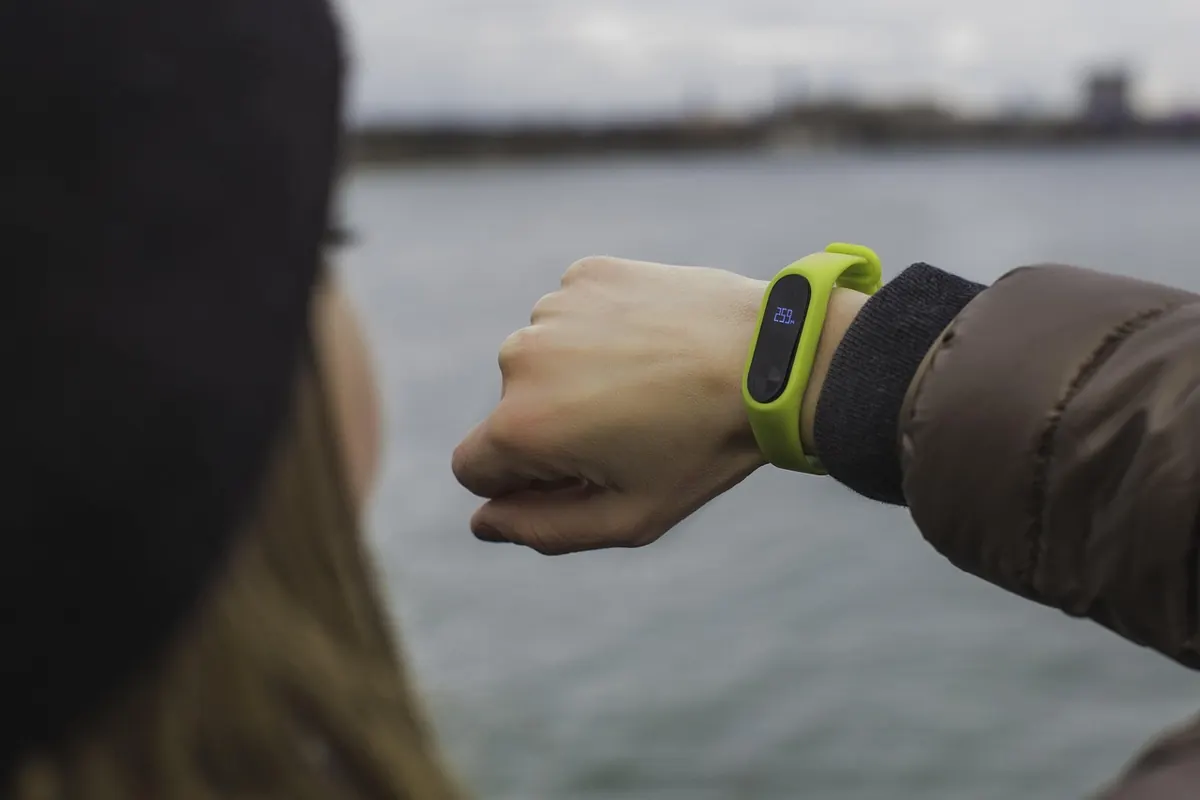
A hundred dollars will not buy a watch that does everything. It does buy one that tracks your steps, follows your sleep, watches your heart rate through a run and lasts most of a week between charges — which is more than enough for most people who simply want to train a little smarter. The trick is knowing which corners get cut at this price, and which of them actually matter for fitness. Here is what to weigh when you compare budget watches in 2025.
What $100 Actually Buys
At this price you can generally count on an optical heart rate sensor, a colour display, sleep tracking, blood oxygen readings and a companion phone app. Many models now include built-in GPS, and a few will pair with an external chest strap. Almost none offer ECG, contactless payments or cellular.
Two things are nearly always sacrificed: build quality and app polish. Plastic cases and rubber straps are the norm, and the software tends to be basic. That is usually fine. A watch that tracks your runs accurately and charges twice a week beats a prettier one that needs a cable every night.
- Heart rate and sleep: useful for trends, not diagnosis
- Battery: roughly five to fourteen days in normal use, far less with heavy GPS
- GPS: built in on some models, borrowed from your phone on the cheapest ones
- Water resistance: check the rating — 5ATM generally survives swimming, IP68 usually does not
- App: fine for the basics, weaker than the major ecosystems
Heart Rate Accuracy: Fit Beats Price
Optical sensors shine light into the skin and measure how much comes back as blood pulses underneath. The difference between a cheap sensor and an expensive one is smaller than the difference made by how you wear it. A loose strap on a $300 watch will give you worse numbers than a snug one on a $70 watch.
Cold hands, heavy wrist movement during intervals, and tattoos or hair under the sensor are the usual causes of dropouts. During gripping exercises — rows, deadlifts, kettlebells — wrist readings are especially unreliable, because the sensor is fighting tension in your forearm rather than tracking your pulse.
- Wear the watch snug, about one finger-width above the wrist bone.
- Tighten one extra notch before intervals or hill repeats.
- Keep the back of the case clean and dry; sweat and lotion blur the signal.
- Check the reading against a manual pulse count right after a hard effort.
- If you train seriously by heart rate zones, a chest strap is still the dependable option.
Wrist heart rate is an estimate, not a medical measurement. If you have a heart condition, take medication that affects your pulse, or feel unwell during exercise, treat the numbers as a rough guide and speak to a clinician.
Battery Life: Read the Fine Print
Quoted battery life assumes the display is dim, notifications are light and GPS is rarely switched on. Add an always-on screen, frequent heart rate sampling and an hour of running each day and that figure can fall by half or more. GPS is the biggest drain of all — an hour of it can cost you a full day of standby.
Ask two questions before buying: how many hours of continuous GPS does it deliver, and how long does a full charge take? A watch you can top up over breakfast is far less annoying than one that needs a two-hour session on the cable.
GPS: Built-in or Borrowed
Connected GPS means the watch uses your phone's location over Bluetooth. It saves money and battery, but you have to carry the phone. Built-in GPS lets you leave it at home, though budget models often take half a minute to lock onto satellites at the start of a run.
Accuracy under dense trees or between tall buildings is where cheaper receivers struggle, cutting corners on the map trace. In open parks and on quiet roads, most are perfectly usable. Whatever you choose, wait for the satellite lock before you start moving — pressing start too early is the easiest way to record a route that looks nothing like your actual run.
App Support Is the Long-Term Cost
You will live with the app far longer than you admire the hardware, so treat it as part of the purchase. Check these before you commit:
- Does the app support the version of iOS or Android your phone runs?
- Can it send workouts to Apple Health, Health Connect or Strava?
- Can you export raw files as FIT, GPX or CSV? If yes, your history survives a brand switch.
- Is anything genuinely useful hidden behind a subscription?
- Does the watch store workouts offline and sync them later?
- Does the company issue firmware updates, and how does it handle your data?
Export options matter more than most buyers expect. A watch is a two- or three-year purchase; the app is what decides whether your training history follows you to the next one.
Match the Watch to Your Training
Runners and cyclists
Prioritise GPS accuracy and GPS battery hours over everything else. A 1.4-inch screen is irrelevant if the watch dies at kilometre twelve.
Gym and strength work
Look for pairing with external heart rate straps. Wrist readings during lifting are unreliable enough that zone training based on them can mislead you.
Swimmers
Insist on a 5ATM rating, check that pool lap counting is supported, and favour physical buttons over a touchscreen — wet fingers and touchscreens rarely cooperate.
Everyday step and sleep tracking
The cheapest models handle this well. Comfort and battery life are what you will notice day to day, not sensor count.
A Two-Week Test Before You Commit
Buy from a retailer with a straightforward returns policy, then use the first fortnight as a trial.
- Days 1–2: pair it, set up notifications and wear it overnight. If it itches or wakes you, send it back.
- Days 3–5: track two workouts and compare heart rate against a manual count or a chest strap.
- Day 6: record a GPS session on a route you know well and inspect the map trace for cut corners.
- Days 7–10: use it normally and note how much battery drops each day.
- Days 11–14: export a workout file and open it in your preferred app. If the data moves freely, the watch is worth keeping.
The Short Version
Spend your budget on fit, battery and data export rather than on a larger screen or a longer feature list. A watch that sits comfortably, lasts the week and hands your workouts over to whatever app you choose will serve you far better than one with a spec sheet you never use.
Try the two-week test, keep the receipt, and give yourself permission to return anything that annoys you in the first few days. The best budget smartwatch is the one you forget you are wearing until it tells you something useful.
Photo: StockSnap / Pixabay